
 |
 |
 |
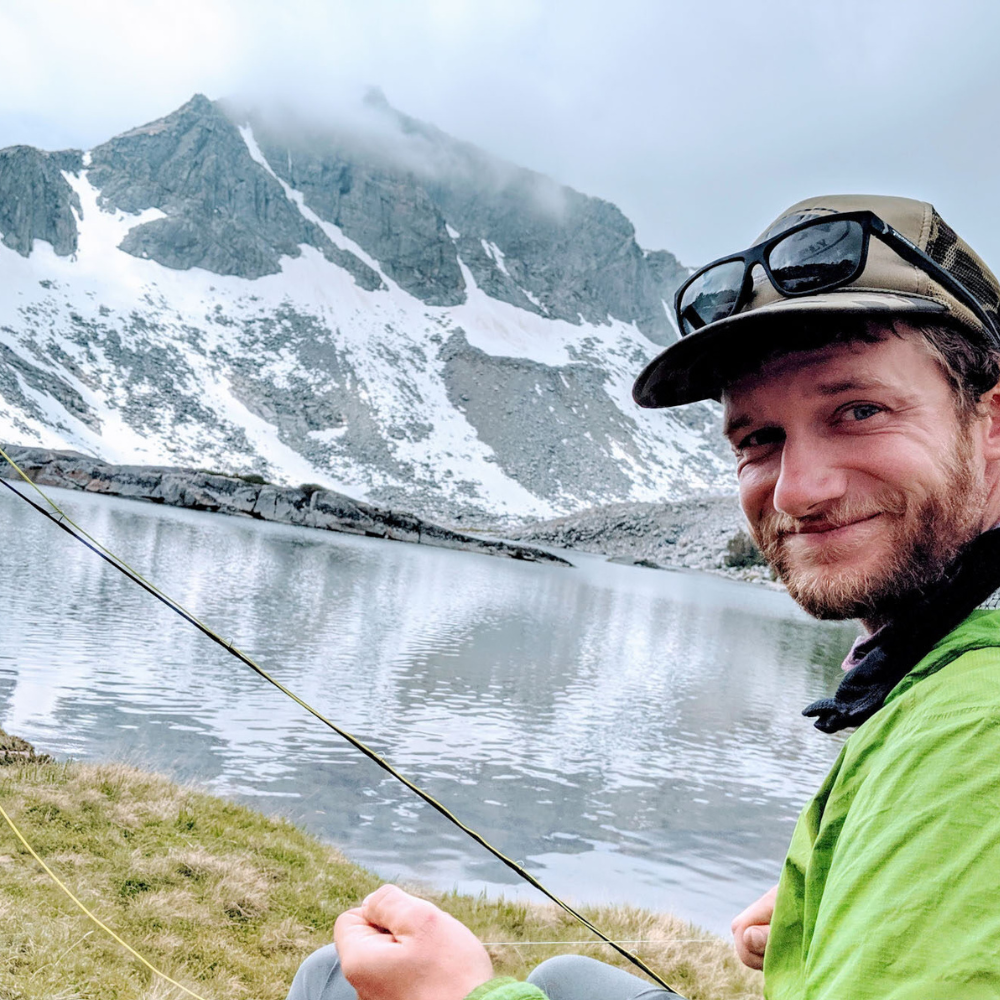
2026 Experience Matters GranteesThe Experience Matters Grant Program supports collaborative scholarship from practitioners, faculty, and other scholars that advances the field of experiential learning. Experiential education transforms learning by engaging students as active participants in authentic experiences followed by reflection and meaning-making. As institutions demonstrate their value to students, families, government, and the public, experiential learning stands as a critical bridge between academic preparation, applicable skills, and meaningful career and civic outcomes. The inaugural grants will support three projects where experiential teaching and learning provides a foundation for examining environmental education and behavior, globally connected and place-based learning, and student participation in non-credit workforce preparation. The three funded projects were selected from a competitive pool of 20 proposals representing 26 colleges, universities, and nonprofit organizations. Read the announcement. Selected ProjectsWhen the Forest Burns: Testing a Structured Experiential Learning Intervention on Climate Attitudes and Pro-Environmental Behavior in a Wildfire Burn ScarThis project will examine whether a structured experiential learning intervention conducted within a wildfire burn scar produces greater changes in participants’ climate attitudes and pro-environmental behavior than exposure to the same landscape without structured facilitation. Using a randomized, two-condition field experiment at the CZU Lightning Complex burn scar in the Santa Cruz Mountains, the research team will compare a standard outdoor adventure experience with an intervention incorporating intentional framing, guided observation, facilitated reflection, conceptual discussion, and individual action planning. The study will assess changes in climate concern, constructive hope, behavioral intentions, and participants’ willingness to donate money to climate-related organizations. The project will help clarify what structured facilitation adds to a powerful place-based experience and whether its effects persist beyond the immediate field activity. Findings will be shared through a peer-reviewed manuscript submitted to the Journal of Experiential Education, a presentation at the Society for Experiential Education Annual Conference, and a practitioner brief featuring a replicable intervention protocol for outdoor and environmental educators.
Place, Purpose, and Wellbeing: Scaling Global Experiential Learning through COIL, Citizen Science, and Campus EnvironmentsThis project will investigate how an integrated model of Collaborative Online International Learning, or COIL, citizen science, and place-based learning influences student wellbeing, belonging, environmental agency, and global perspectives. Through a partnership between North Carolina State University and the University of Surrey, students will study how outdoor campus environments shape meaningful experiences and connections to place. Working in international teams, participants will collect citizen science data on their respective campuses, document their experiences through reflection and photography, and compare how campus design, culture, and outdoor spaces affect wellbeing. The study will use surveys, student reflections, environmental observations, and other course artifacts to assess changes in place attachment, intercultural competence, environmental agency, and sense of belonging. By combining global collaboration with locally accessible experiences, the project may offer a scalable alternative to travel-based international learning. Findings will be shared through conference presentations, a manuscript submitted to Experiential Learning and Teaching in Higher Education, and practical recommendations for educators interested in integrating COIL, citizen science, and wellbeing-centered place-based learning.
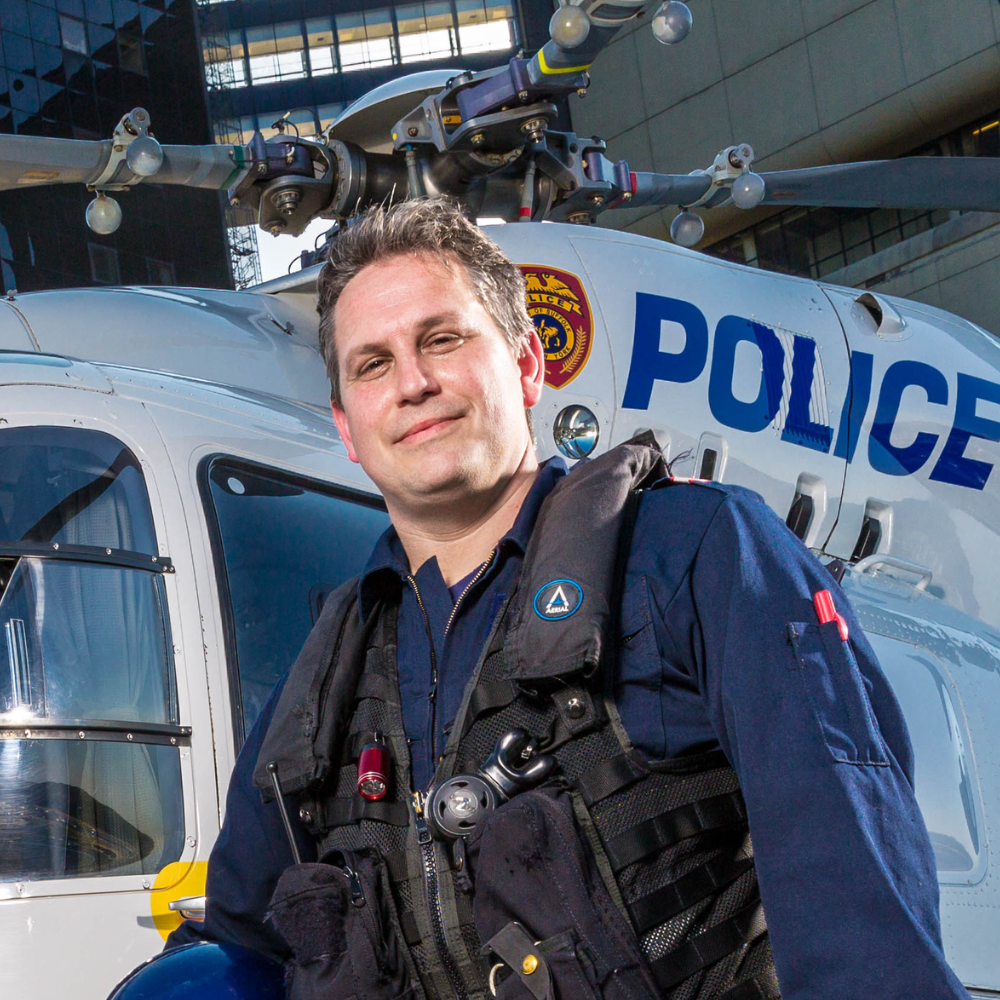
Examining How Degree-Seeking Students Participate in a Non-Credit Emergency Medical Technician ProgramAs more students pursue non-credit credentials alongside their degree programs, this study will examine how degree-seeking students learn about, perceive, and engage with a non-credit Emergency Medical Technician program. It will explore how students connect the experience to their academic goals, career preparation, skill development, confidence, and professional identity. Using surveys, focus groups, interviews, and a review of advising and communication materials, the research team will investigate both student experiences and the institutional structures that shape participation. The study will identify barriers to access, examine how the program is represented within advising and degree pathways, and assess where stronger connections between non-credit training and academic programs may be needed. Findings will inform a small-scale pilot intervention, such as an advising module, referral process, or visual pathway connecting the EMT program with relevant degrees. The project will also produce a comprehensive report, campus presentations, and a presentation at the Society for Experiential Education Annual Conference, offering practical recommendations for institutions seeking to better integrate workforce-aligned experiential learning into students’ broader educational journeys.
|
||||||||||||||
| Last Updated on Tuesday, July 28, 2026 05:46 PM |